The Dental Barns Featured in The Mirror: The Realities of Dental Apprenticeships
David Drew, Co-Founder of The Dental Barns, shares why the biggest challenge with dental apprenticeships is not simply cost, but the time, supervision and responsibility required to train someone properly in a highly regulated clinical environment.
The Dental Barns Featured in The Mirror
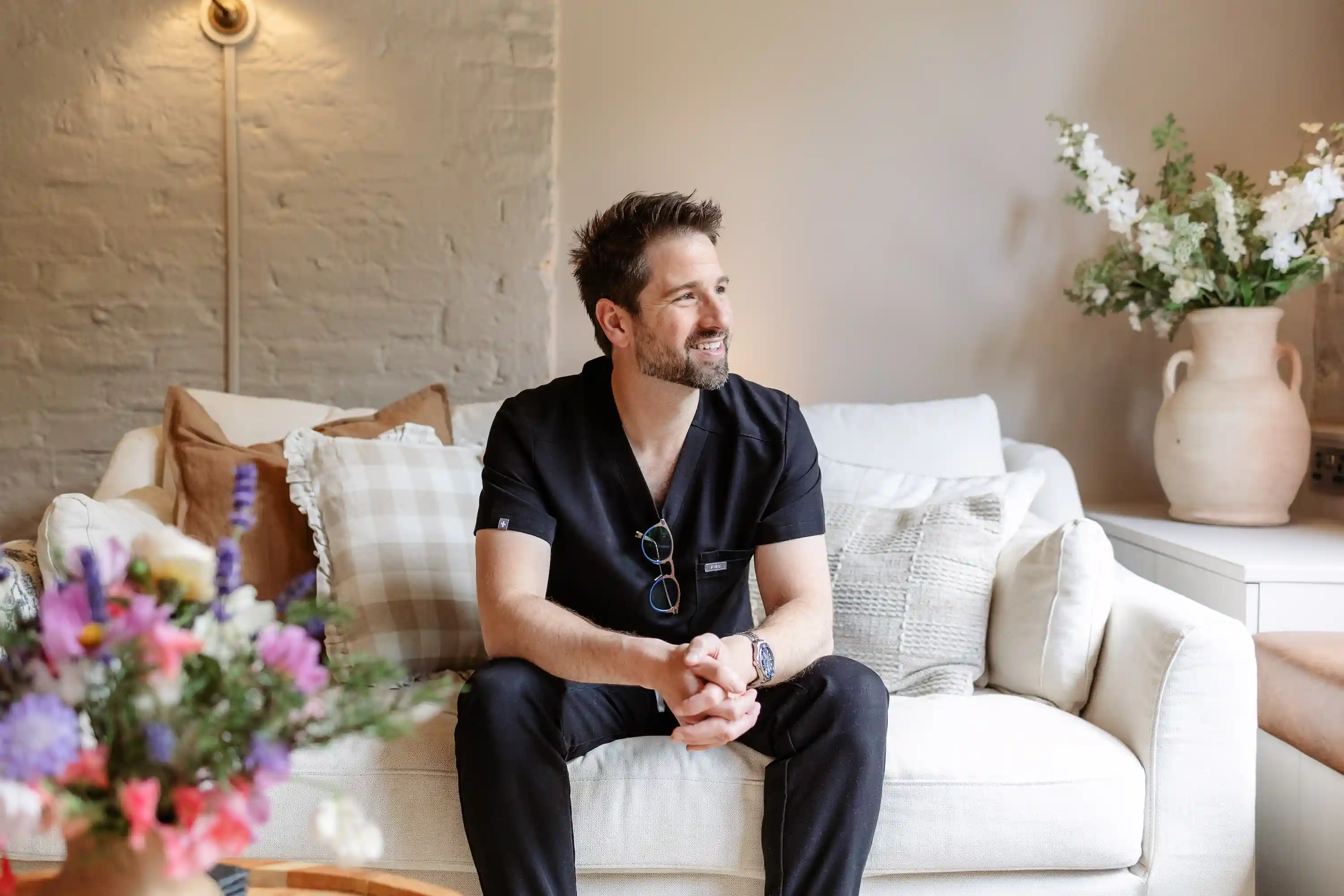
We were pleased to see The Dental Barns included in a national discussion in The Mirror about apprenticeships and the challenges facing smaller employers. David Drew, Co-Founder and Practice Manager of The Dental Barns in Lichfield, was invited to share his perspective on what it takes to bring somebody into dentistry through an apprenticeship route.
The conversation is an important one. Apprenticeships can create a valuable route into a career, giving people the opportunity to earn while learning and develop practical skills in a real working environment. In dentistry, however, the responsibility involved in training someone is particularly significant.
Why Dental Apprenticeships Are Different
Dentistry is a highly regulated clinical environment. Every part of the patient journey, from infection prevention and decontamination to chairside support, communication and record keeping, has to be carried out to a consistently high standard.
That means a new apprentice cannot simply be given a set of tasks and left to get on with them. They need close supervision, structured teaching and time to build confidence safely. For an established member of the dental team, providing that support means stepping away from some of their usual responsibilities to train, observe, explain and check.
As David explained to The Mirror, the biggest consideration for a small dental practice is not simply the wage cost. It is the resource required to train somebody properly while maintaining the standard of care patients should expect.
“It’s not so much the financial side of it for me, it’s the time it takes to train someone up.”
The Real Cost Is Time and Supervision
For a growing practice, experienced team members are one of the most valuable resources available. Training an apprentice well requires those experienced people to dedicate meaningful time to mentoring and development.
In healthcare, that investment cannot be rushed. Patients need to feel safe, comfortable and cared for, and the apprentice also deserves enough support to learn properly rather than simply being placed into a busy environment and expected to keep up.
That is the balance David highlighted in the article: creating opportunities for people entering the profession while being realistic about the supervision and structure required to do it well.

Good dental careers are built on proper support, clear standards and the time to learn well. When we have opportunities available at The Dental Barns, we look for people who care about detail, patients and doing things properly.
Training Properly Protects Patients and Apprentices
At The Dental Barns, our approach has always been that standards and patient experience come first. That same philosophy applies to developing members of the team.
Good training is not just about completing a qualification. It is about building confidence, judgement, communication skills and a strong understanding of why clinical processes matter. When somebody is properly supported, they are more likely to develop into a capable, confident member of the dental profession.
For that reason, the discussion around apprenticeships should go beyond headline wage costs. Smaller healthcare employers also need the capacity to provide mentoring, supervision and protected learning time without compromising the experience of the people already in their care.
Our View at The Dental Barns
We are supportive of creating routes into dentistry and helping people develop meaningful careers. Apprenticeships can be an excellent opportunity for the right person, and the profession benefits from bringing in motivated people who want to learn.
But if an apprenticeship is going to work well, it needs to be properly resourced. The employer needs the time and team capacity to support the learner, and the learner needs an environment where development is taken seriously.
That is ultimately the point David wanted to make: it is not about lowering the standard to make an apprenticeship easier to accommodate. It is about making sure the support exists so that the apprentice can reach that standard properly.
Read the full article in The Mirror.
About David Drew
David Drew is the Co-Founder and Practice Manager of The Dental Barns in Lichfield — a multi-award-winning private dental practice known for combining luxury, calm and cutting-edge technology.
With a background in medical device leadership and a passion for digital innovation, David helped design every element of The Dental Barns to redefine what a patient-centred dental experience can feel like.
He now leads the practice’s operations, technology and patient experience, ensuring every detail reflects the same warmth, precision and integrity that have become The Dental Barns’ hallmark.
At The Dental Barns in Lichfield, we’ve reimagined what private dentistry can feel like. Our patients choose us not just for results, but for the calm, luxurious experience that surrounds every visit. From the moment you arrive, you’ll notice the difference — a spa-like environment, thoughtful design, and a team that takes time to understand you. Our exclusive VIP approach means appointments are unhurried, comfort is prioritised, and advanced digital technology ensures precision in every treatment.
Whether you visit for Invisalign, composite bonding, veneers, or gentle hygiene therapy, every detail is considered — from the heated anaesthetic to the aromatherapy scents that make our space feel like home. Transparency, trust, and technology underpin everything we do, allowing patients to relax knowing they’re in expert hands.
Our Why VIP philosophy is simple: world-class dentistry, delivered with warmth, calm, and integrity. It’s why so many of our patients travel from across Staffordshire and the West Midlands to experience The Dental Barns difference.